Table of Contents
Hair Transplant Donor Area Evaluation in Turkey: Photos, Density, and Realistic Graft Planning
Hair transplant donor area evaluation in Turkey is essential for achieving optimal results. This crucial step ensures that the right scalp regions are used for graft extraction. Patients seeking hair restoration need to understand the importance of assessing the donor area, as it directly impacts the success of their hair transplant. Evaluating the quality and density of the donor area can lead to more natural-looking results and improved patient satisfaction.
Realistic graft planning involves analyzing various factors, such as hair quality and scalp condition. Patients should be aware that graft density plays a vital role in the overall success of the procedure. Clinics in Turkey often utilize advanced techniques to evaluate donor areas through high-resolution scalp photos. These images provide valuable insights into hair growth patterns and help determine the best approach for graft extraction.
Understanding the intricacies of donor area evaluation can empower patients to make informed decisions. Engaging with experienced professionals in Turkish clinics ensures that evaluations are thorough and comprehensive. By focusing on these critical aspects, individuals can enhance their chances of achieving the desired hair restoration outcomes. Readers are encouraged to continue exploring this topic for a deeper understanding of the evaluation process.
5 Essential Steps to Evaluate Donor Area Quality in Turkey
Evaluating the hair transplant donor area in Turkey is crucial for successful outcomes. This evaluation determines the hair thickness and quality of the donor region. Clinics in Turkey follow a systematic approach to ensure optimal graft extraction for each patient. Proper donor area evaluation can significantly enhance the effectiveness of hair restoration.
The first step involves assessing scalp elasticity. High elasticity indicates healthy skin, which allows for easier harvesting of grafts. A detailed examination of scalp movement helps surgeons gauge potential healing and graft survival. This assessment is vital for determining how well the donor area will respond during the procedure.
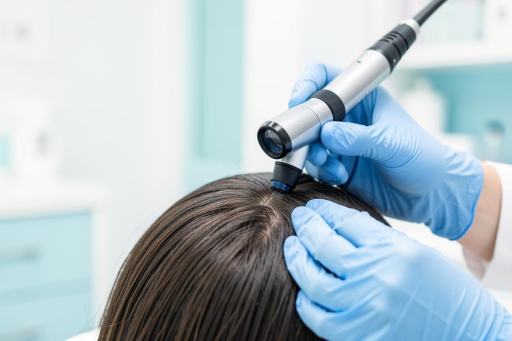
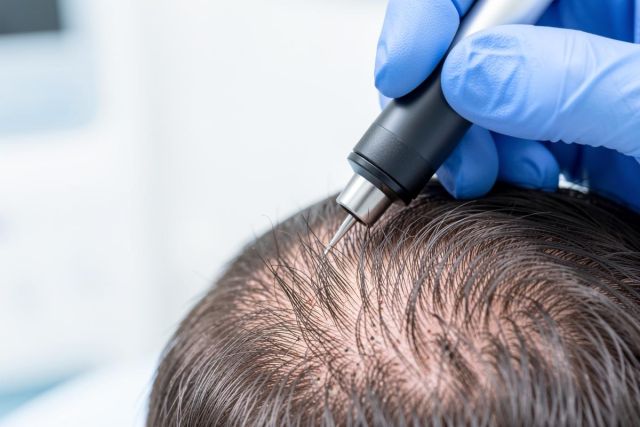
Next, measuring hair thickness plays a significant role in the evaluation process. Thick hair follicles generally provide better coverage and denser results. Clinics often use specialized tools to analyze hair diameter, allowing for more accurate graft planning. This information directly impacts the overall aesthetic of the hair transplant.
Practical takeaways for patients include asking for a thorough donor area evaluation before proceeding. Ensure that your chosen clinic assesses both scalp elasticity and hair thickness. This comprehensive evaluation is essential for realistic graft planning. Engaging with experienced professionals in Turkey will enhance your hair transplant journey and lead to satisfactory results.
How Scalp Photos Guide Accurate Donor Area Assessment
Scalp photos play a vital role in accurate donor area assessment. These images provide a detailed view of hair growth patterns and scalp condition. Clinics in Turkey utilize these photos to create personalized hair transplant plans. High-quality hair transplant photos ensure that the evaluation process is thorough and precise.
Analyzing scalp photos allows surgeons to identify optimal donor regions. Clear images help in assessing hair density and overall scalp health. By examining these photos, clinicians can determine the best areas for graft extraction. This practice enhances the likelihood of successful hair restoration outcomes.
Moreover, scalp photos facilitate effective communication between patients and clinics. Visual documentation helps patients understand their individual situations. This transparency fosters trust and ensures informed decision-making regarding their hair transplant journey. Turkish hair clinics frequently use this method to create a better patient experience.
Patients should request comprehensive scalp photos during their evaluations. This practice is crucial for an accurate donor area assessment. Engaging with clinics that prioritize visual documentation will enhance the overall process. Taking these steps can lead to more satisfying results in hair restoration.
Why Graft Density Matters: Achieving Natural Hair Transplant Results
Graft density is a crucial factor in achieving natural hair transplant results. It refers to the number of grafts per cm2 used in the procedure. High graft density can significantly enhance the visual appearance of the transplanted area. A well-planned graft density ensures full coverage for optimal hair restoration outcomes.
Careful consideration of graft density allows for a balanced appearance. For instance, too few grafts can lead to sparse-looking hair. Conversely, excessive grafts may cause unnatural thickness, making hair appear artificial. Clinics often analyze the donor area to determine the ideal number of grafts needed for each patient.
Furthermore, the distribution of grafts across the scalp is essential. Even spacing helps replicate natural hair growth patterns. Experienced surgeons in Turkey utilize this technique to maximize density without compromising the donor area. This strategy leads to improved long-term satisfaction for patients seeking hair restoration.
Patients should discuss graft density with their chosen clinic during consultations. This conversation is vital for setting realistic expectations. Engaging with professionals who focus on natural hair transplant techniques will yield better results. Taking these steps can lead to a more fulfilling hair restoration journey.
Realistic Graft Planning: Avoiding Overharvesting and Scarring
Realistic graft planning is essential for successful hair transplants. This approach helps avoid overharvesting from the donor area, ensuring optimal results. Proper planning minimizes the risk of donor area scars and promotes a healthy scalp. Attention to detail during this phase is crucial for long-term patient satisfaction.
Overharvesting can lead to visible thinning in the donor area. This condition often results in noticeable hair loss, which can be distressing for patients. Experienced surgeons prioritize healthy graft extraction by carefully assessing hair density and scalp health. They utilize advanced techniques to prevent damage while maximizing graft viability.
Moreover, effective graft planning plays a vital role in securing natural results. Distributing grafts evenly across the recipient area helps achieve a balanced appearance. A well-planned approach prevents the formation of excessive scars in the donor region. This careful strategy enhances the overall aesthetic of the hair restoration outcome.
Patients should actively engage in discussions about graft planning with their hair transplant clinic. Seeking clinics that prioritize safe hair transplant techniques will yield better results. Make sure to inquire about their strategies for avoiding overharvesting and minimizing donor area scars. Taking these steps will help ensure a successful hair restoration journey.
Top 4 Mistakes in Donor Area Evaluation and How to Prevent Them
Donor area evaluation is critical for achieving successful hair transplants. Many patients make common donor area mistakes that can impact their results. These errors can lead to complications and dissatisfaction with the final appearance. Identifying and preventing these mistakes is essential for a positive hair restoration experience.
One major mistake involves neglecting to assess hair density accurately. Proper evaluation of hair density ensures that sufficient grafts are harvested. Clinics must measure the number of follicles per cm2 to avoid overharvesting. Accurate assessments can prevent visible thinning in the donor area after the hair transplant.
Another error is failing to evaluate scalp elasticity effectively. This assessment is vital for determining how well the scalp will heal. A lack of elasticity may indicate a higher risk of complications post-surgery. Engaging with experienced professionals in hair transplant Turkey will help ensure thorough evaluations.
Patients should actively participate in their donor area evaluations. Asking questions about how clinics assess density and elasticity can lead to better outcomes. Focus on clinics that prioritize thorough donor area evaluations to avoid evaluation errors. Taking these proactive steps increases the chances of achieving a successful transplant and satisfying results.
Frequently Asked Questions
Q: What is the hair transplant donor area?
A: The hair transplant donor area is where grafts are harvested. It typically includes the back and sides of the scalp. This area contains hair follicles that are resistant to balding. Evaluating the donor area is crucial for successful hair restoration.
Q: How does graft density affect hair transplant results?
A: Graft density refers to the number of grafts per cm2. Higher graft density usually leads to fuller and more natural results. Proper planning ensures balanced distribution across the recipient area. This strategy enhances overall patient satisfaction with the hair transplant.
Q: When should I use scalp photos for evaluation?
A: Scalp photos should be used during the initial consultation. They help in assessing hair growth patterns and density. Clinics often utilize these images for accurate donor area evaluation. This practice is essential for effective hair transplant planning.
Q: How can I prepare for hair transplant planning?
A: Preparing for hair transplant planning involves several key steps. First, consult with your chosen clinic to discuss expectations. Gather relevant medical history and any medications you take. This information will help the team create a tailored plan for your needs.
Q: Can I improve my donor area before a hair transplant?
A: Yes, you can improve your donor area with specific treatments. Using hair growth products may enhance hair thickness and strength. Consulting with professionals at SpesHealth can provide personalized recommendations. Taking these steps may lead to better hair transplant outcomes.
The information provided is for educational purposes only and does not constitute medical advice. Always consult with a healthcare professional for medical guidance specific to your situation.