Table of Contents
FUE vs DHI Hair Transplant in Turkey: Which Method Fits Your Case?
FUE hair transplant has gained immense popularity among patients seeking hair restoration. This innovative technique offers a minimally invasive solution for those experiencing hair loss. With the rise of clinics in Turkey, many individuals are considering their options for effective treatment. Understanding the differences between hair transplant methods is crucial for making an informed decision.
Patients often seek clarity on the advantages of FUE versus DHI hair transplant methods. The unique features of each technique cater to various hair loss patterns and personal preferences. By comparing the effectiveness, recovery times, and expected results, individuals can find the method that best fits their needs.
Knowledge of graft planning and the overall process can empower patients during their hair restoration journey. Choosing the right approach can enhance results and ensure satisfaction. Exploring these options will guide individuals to make confident choices about their hair restoration.
Top 7 Reasons People Choose Hair Transplant in Turkey
Patients often choose hair transplant in Turkey for various compelling reasons. The country is known for its high-quality medical services and skilled professionals. Many individuals are drawn to Turkey for both the affordability and effectiveness of hair restoration solutions. FUE hair transplant and DHI hair transplant techniques are widely available, making it an attractive destination for those seeking treatment.
Cost is a significant factor driving patients to Turkey. Hair transplant procedures in Turkey are often more affordable than in Western countries. This cost-effectiveness does not compromise quality. Many clinics offer competitive pricing while maintaining high standards of care, which makes affordable hair restoration accessible to more people.
Another reason for the choice is the advanced technology and expertise found in Turkish clinics. Many surgeons specialize in FUE and DHI hair transplant methods, ensuring that patients receive the best possible care. These clinics utilize state-of-the-art equipment and techniques that enhance the overall experience. Additionally, many facilities have English-speaking staff, easing communication for international patients.
When considering a hair transplant, researching your options is vital. Look for clinics with positive patient reviews and experienced surgeons. Understanding the differences between FUE hair transplant and DHI hair transplant can also aid in making an informed choice. Exploring these factors will help you find the best solution for your hair restoration journey.
FUE Hair Transplant: Essential Facts and Step-by-Step Guide
FUE hair transplant is a popular choice for hair restoration. This method, known as follicular unit extraction, offers a minimally invasive approach. Patients appreciate the natural-looking results and shorter recovery times associated with this hair transplant procedure. Many individuals find FUE hair transplant to be a viable solution for their hair loss concerns.
The process begins with a consultation where the surgeon evaluates the patient's hair loss pattern. During the procedure, individual hair follicles are extracted from a donor area. These follicles are then implanted into the thinning or balding areas of the scalp. This technique allows for precise placement, ensuring a natural appearance. Patients often report minimal discomfort during the extraction and implantation phases.
FUE recovery time is typically shorter than with other methods. Most patients can return to normal activities within a few days. It is important to follow aftercare instructions to promote healing. Patients should avoid strenuous activities and direct sun exposure during the initial recovery period. Many clinics provide comprehensive post-operative care to help ensure optimal results.
Choosing FUE hair transplant can be a life-changing decision. Researching experienced surgeons and clinics is essential for a successful outcome. Patients should also consider their specific hair restoration goals. Gathering information about the follicular unit extraction process will help you feel more confident in your choice. Take the next step toward hair restoration by scheduling a consultation with a qualified specialist.
DHI Hair Transplant: How Direct Implantation Delivers Natural Results
DHI hair transplant is an advanced method that offers direct hair implantation. This technique allows for precise placement of hair follicles into the scalp. Many patients appreciate the natural hair restoration results achieved with DHI. The process is designed to enhance the aesthetic appeal of hairlines and overall appearance.
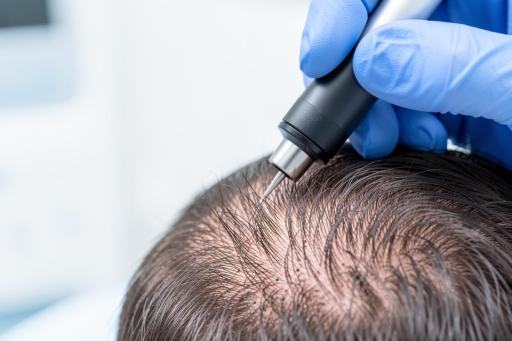
The DHI method utilizes a specialized tool for implantation. Surgeons extract individual hair follicles and implant them directly into the desired areas. This technique minimizes trauma to the scalp, leading to quicker recovery and reduced bleeding. Patients often report less discomfort compared to traditional methods, making DHI a preferred choice for many.
DHI benefits extend beyond comfort and rapid recovery. The direct implantation process ensures optimal angling of each hair follicle. This results in a more natural look, mimicking the way hair grows naturally. Additionally, the procedure allows for greater control over density and coverage, which is crucial for achieving desired results.
Considering DHI hair transplant can be a transformative decision. Researching qualified clinics and experienced surgeons is essential for success. Knowing the advantages of direct hair implantation will help you make an informed choice. Take the first step towards fuller hair by consulting with a DHI specialist today. Your journey to natural-looking hair restoration can begin now.
FUE vs DHI: 5 Key Differences Every Patient Should Know
FUE vs DHI presents important distinctions for patients considering hair restoration. Both methods are effective, but they have unique characteristics that set them apart. Knowing these differences can help you make an informed decision about your hair transplant. A careful hair transplant comparison will clarify which technique suits your needs best.
The extraction process is one key difference between FUE and DHI. FUE hair transplant involves extracting follicles from a donor area and then implanting them. In contrast, DHI uses a specialized tool for direct hair implantation. This allows DHI to place the follicles immediately after extraction, reducing the time they are outside the body.
Recovery times also vary between the two methods. With FUE hair transplant, patients typically experience a slightly longer recovery period. DHI offers a quicker healing process due to less trauma to the scalp. Patients often report less discomfort after DHI, making it a more appealing option for many.
Choosing the right hair restoration method requires careful consideration. Evaluate factors such as your hair type, desired results, and recovery preferences. Assess whether FUE or DHI for thinning hair aligns with your goals. Consulting with a qualified specialist can provide valuable insights and help you select the most suitable option for your hair restoration journey.
How to Choose the Right Hair Transplant Method for Your Case
Choosing the right hair transplant method for your case is essential. Each technique has unique benefits and limitations that can impact your results. Evaluating your specific needs will guide you in selecting the best hair transplant method. Graft planning plays a crucial role in this decision-making process.
Consider your hair loss pattern when making this choice. FUE is often suitable for those with extensive thinning. Conversely, DHI may be better for patients seeking precise follicle placement. Take into account factors such as hair type, scalp condition, and personal preferences. These elements will help you tailor your choice to your individual circumstances.
Consulting with a qualified specialist is vital for making an informed decision. A SpesHealth consultation can provide insights into both techniques. Professionals can explain the differences and recommend the best approach for your situation. Engaging with experts ensures that you receive personalized advice based on your unique hair restoration goals.
Researching both FUE and DHI methods will empower your decision. Think about your expectations and desired outcomes as you evaluate options. Making the right choice can significantly affect your satisfaction with the results. Start your journey toward hair restoration by arranging a consultation with a trusted specialist today.
Frequently Asked Questions
Q: What is the difference between FUE and DHI hair transplant?
A: FUE hair transplant involves extracting follicles before implantation. DHI hair transplant allows for direct implantation of follicles. This results in less time outside the body. Patients may choose based on desired results and recovery.
Q: How long does recovery take after a hair transplant in Turkey?
A: Recovery time varies based on the technique used. FUE hair transplant recovery typically takes about 7 to 10 days. DHI hair transplant often offers quicker recovery due to less trauma. Following aftercare instructions is crucial for optimal healing.
Q: What factors influence graft planning for hair restoration?
A: Graft planning considers hair loss pattern and donor area. The overall density and desired results also play a role. A thorough consultation helps determine the number of grafts needed. Specialists at SpesHealth can provide personalized planning.
Q: Can I combine FUE and DHI hair transplant techniques?
A: Combining FUE and DHI techniques is possible for some patients. This approach can enhance results based on individual needs. A consultation will help determine if this combination is suitable. Discussing options with your specialist is essential.
The information provided is for educational purposes only and does not constitute medical advice. Always consult with a healthcare professional for medical guidance specific to your situation.